+44 (0)121 550 0933
E-Mail Us  •  +44 (0)121 550 0933

NVolo Flight Helmet Review for Operational Teams

NVolo Flight Helmet Review for Operational Teams

The NVolo G_Force helmet, is a lightweight carbon-fibre flight helmet designed for helicopter and fixed-wing crews, certified to EN966:2012+A1:2012. Supplied with dual visors, NVG-mount compatible visor cover, NVolo Helicom communication system, with a full size range and UK distributor support.

Features This helicopter and fixed wing crew’ helmet is certified to EN966:2012+A1:2012. The standard configuration features a dark smoke visor, along with a second transparent visor. The visor cover is designed to accommodate an NVG mounting plate. Additionally, the helmet integrates the NVolo Helicom communication system.

When supplied coupled with 3M Peltor TP-200-UK, the G-Force helmet provides certified hearing protection to EN352.

A G-Force helmet variant is also available with hearing protection to EN352 and Bluetooth adaptability. The top of the range G-Force helmet provides ANR system, Bluetooth and hearing protection to EN352.

Made from strong, lightweight carbon-fibre material Variety of colours available NVG Mount compatible Full size range available

Additional Information

Full UK based distributor support 2-year manufacturer warranty Full fitting and instructions service included Made in Italy No servicing contract required This garment is a special order and not available to buy online. Please contact us to discuss your requirements.

A flight helmet is not simply head protection with a visor attached. For HEMS, SAR, air ambulance and defence crews, it is a working interface between the wearer, aircraft, communications system and mission.

The right helmet can reduce distractions and adequately protect the wearer from a noisy, confined and fast-moving cabin. The wrong helmet can create pressure points, compromise radio clarity or become difficult to operate when wearing gloves. That distinction is not cosmetic. It affects crew comfort, fatigue management and operational readiness.

The NVolo G Force helmet does not come in generic sizes such as small medium large etc. Each helmet is fitted in a bespoke configuration to the intended end user. Each platform should be assessed as a configured system rather than as a shell alone. A helmet may be supplied with different visor arrangements, communication fittings, retention systems, liners and mounting options. Procurement teams should ensure that the specification being evaluated is the specification that will be issued, including all fitted components and the intended aircraft interface.

When to Replace Rescue Equipment: Field Guide

When to Replace Rescue Equipment: Field Guide

A helmet can look serviceable on the appliance rack yet have taken an impact that has compromised its protective structure. A waterproof jacket may still appear presentable while its seam tape, flame resistance or moisture barrier is no longer performing as issued. Knowing when to replace rescue equipment is therefore not a matter of keeping stores tidy. It is a readiness decision that affects protection, mobility and confidence when conditions turn severe.

For rescue, medical, fire, maritime and tactical teams, replacement decisions should be based on a controlled combination of inspection findings, manufacturer instructions, service history, exposure and operational risk. Calendar age matters, but it is rarely the only trigger.

When to replace rescue equipment

Replace equipment immediately when it can no longer provide the level of protection, retention or function for which it was selected. Obvious damage is the clearest example, but not every failure is visible. A disciplined inspection routine is the practical safeguard between issue and use.

The decision becomes urgent after a significant incident: a helmet dropped from height, eyewear struck by debris, gloves exposed to chemicals, boots subjected to prolonged contamination, or clothing involved in flame, fuel or bodily-fluid exposure. Remove the item from service first. Then follow the relevant decontamination, inspection and manufacturer guidance before deciding whether it can return to use.

For life-safety or load-bearing equipment, do not rely on a visual check alone. Harnesses, ropes, connectors, flotation equipment and associated rescue systems must be managed under the inspection intervals, retirement criteria and competent-person requirements set by the manufacturer and your organisation. Where there is uncertainty about an item’s history or integrity, quarantine it rather than returning it to the operational pool.

Age is a prompt, not a complete answer

Every item has a usable service life, but that life changes with its design, materials, frequency of use and environment. Equipment stored clean, dry and away from ultraviolet light may age very differently from kit used daily on coastal taskings, aircraft operations, roadside incidents or wildland deployments.

Date labels, batch records and issue logs are useful because they tell you when to look closer. They are not permission to keep equipment in use beyond an explicit replacement date. Equally, an item that is technically within its stated service life may still need replacing after damage or heavy exposure.

Procurement teams should avoid setting a single blanket replacement cycle for all PPE. A base layer, a protective helmet, a technical glove and a headtorch do not fail in the same way or carry the same consequences. Build replacement schedules around the equipment category, anticipated exposure and the manufacturer’s documented instructions.

Look beyond cosmetic wear

Scuffs and surface marks are not automatically grounds for replacement. Operational equipment is expected to work hard. The question is whether wear has affected safety, performance, fit or hygiene.

Warning signs include cracking, deformation, delamination, loose stitching, torn webbing, damaged fastenings, loss of elasticity, worn grip surfaces, failed zips, degraded reflective markings and persistent leakage. For protective garments, inspect seams, cuffs, closures and high-wear areas such as knees, shoulders and seat panels. A small defect in a non-critical area may be repairable; damage to a protective layer or an essential closure may not be.

Fit is also a safety issue. Equipment that has become misshapen, shrunk, stretched or difficult to adjust can restrict movement and leave gaps in protection. This matters particularly where a team relies on layered systems, helmet retention, compatible gloves or specialist female-fit garments. If the wearer cannot achieve the intended fit consistently, the item is no longer dependable as issued.

Replace after contamination when safe recovery is not assured

Contamination is one of the most misunderstood reasons for retiring equipment. Some items can be professionally cleaned and returned to service. Others may retain hazardous residues, lose protective properties or be impossible to decontaminate fully without damage.

Fuel, oils, chemicals, smoke particulates, blood and other biological contaminants all require a controlled response. Do not allow contaminated equipment to travel casually between vehicles, lockers and homes. Segregate it, record the exposure and apply your organisation’s decontamination process alongside the manufacturer’s guidance.

If a garment, glove, boot or bag cannot be restored without compromising its material or construction, replacement is the correct decision. The apparent cost of retiring an item is minor beside the risk of exposing the next wearer to contaminants or sending them into an incident with reduced protection.

Functional failure should not wait for total failure

Rescue equipment often provides early warnings. A lamp that flickers, a zip that catches, a boot sole that has hardened, a helmet adjustment system that slips or eyewear that fogs beyond reasonable management may still be usable in a low-risk setting. That does not make it suitable for operational issue.

Test function during routine checks, not only when an item is needed. Lights should be checked with their batteries and charging systems. Footwear should be assessed for sole separation, tread wear, support and water ingress. Gloves need sufficient dexterity and grip for the tasks expected of the wearer. Clothing should allow unrestricted movement while maintaining coverage when reaching, kneeling, lifting and working in poor weather.

Where a fault can be repaired using approved parts and methods, repair can extend the useful life of an item and reduce unnecessary waste. Repairs must not alter certification, protective performance or compatibility. A repair that looks neat but has not been authorised for the equipment is not a safety control.

Build replacement into the inspection system

The best replacement programme is predictable without being inflexible. It gives individual users clear daily responsibilities, supervisors a regular inspection process, and procurement teams enough data to forecast demand before shortages become urgent.

A useful equipment record should capture the item type, unique identifier where applicable, issue date, user or location, inspection dates, findings, repair history, contamination events and retirement reason. This creates a clear audit trail and helps identify recurring issues. If one role wears through knee panels, glove palms or boot tread faster than expected, the answer may be a different specification, a revised issue quantity or a repair arrangement rather than simply ordering the same item again.

For organisations with multiple stations, bases or deployment environments, consistency matters. Agree inspection standards and quarantine procedures across the team. A damaged item should not be moved from one location to another simply because it is no longer acceptable at its original base.

Separate routine replacement from urgent replacement

Routine replacement covers expected wear. It allows teams to plan stock, measurements and seasonal changes without compromising availability. Urgent replacement covers damage, contamination, failed function or loss of compliance, and it needs a rapid route from report to reissue.

Keeping a modest reserve of core sizes and mission-critical items protects readiness. However, reserves should be stored correctly and inspected too. Equipment does not remain serviceable merely because it has stayed in a cupboard.

Choose the replacement specification carefully

Replacing like for like is sensible when the existing equipment has performed well and the operational requirement has not changed. But retirement is also a useful point to assess whether the original specification remains right for the task.

Consider changes in climate, operational tempo, vehicle configuration, layering systems and user feedback. Teams working in prolonged wet weather may need improved moisture management. Flight crews may require different mobility and pocket placement from ground responders. A revised cut, material weight or sizing approach can improve protection and comfort without introducing unnecessary complexity.

This is where measurement support and controlled trials add value. A technically capable item still fails the user if it rides up, restricts reach or prevents effective layering. Rig Equipment supports specialist teams with tailored development, alterations and repairs where these services are appropriate, helping organisations maintain a consistent operational standard rather than treating every replacement as an isolated purchase.

The aim is not to discard equipment at the first mark of use. It is to remove uncertainty before it reaches the incident ground. When an item no longer meets its protective purpose, fits correctly or performs reliably, replacement is not an administrative task. It is part of keeping every responder ready for the next call-out.

Flight Apparel That Performs Under Pressure

Flight Apparel That Performs Under Pressure

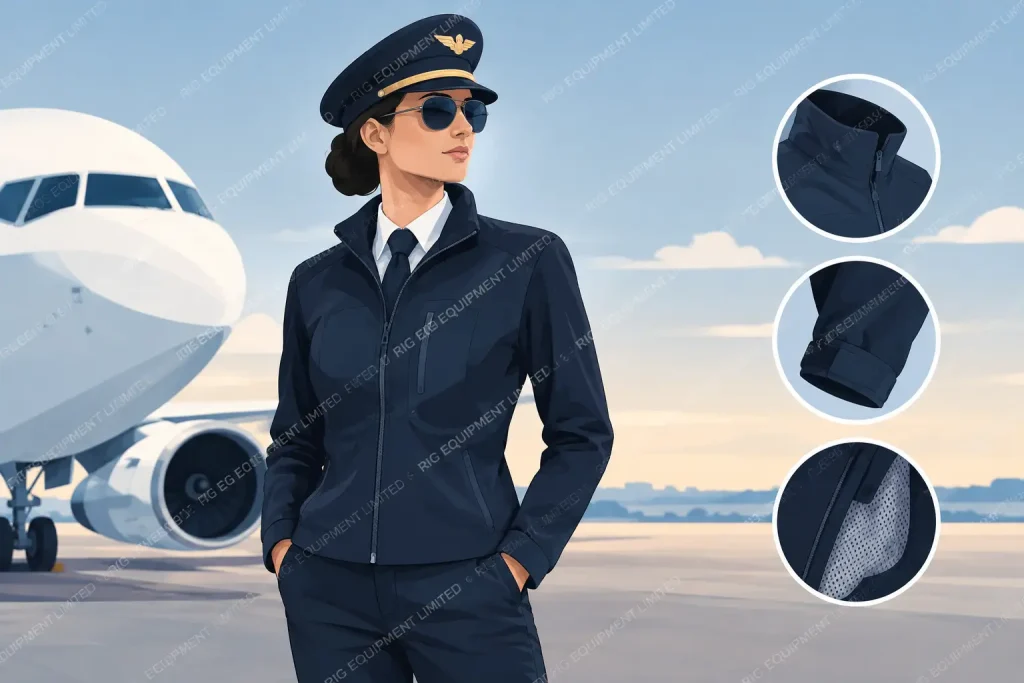
A flight crew cannot pause an urgent task because a cuff catches, a collar chafes under a harness or a garment traps heat in the cabin. Flight apparel must support the realities of aviation operations: restricted movement, fluctuating temperatures, noise, weather exposure and the need to transition rapidly from aircraft to incident ground.

For HEMS, air ambulance, search and rescue, coast guard and other specialist flight teams, clothing is part of operational readiness. It must provide protection appropriate to the risk, maintain a professional and identifiable appearance, and allow each wearer to work without distraction through a long shift.

What Flight Apparel Must Do

Flight operations place demands on clothing that are easy to underestimate from the ground. A crew member may begin a shift in a cool briefing room, work in a warm aircraft cabin, step into driving rain at a landing site and kneel beside a casualty in mud or snow. The same garment system has to manage those changes without becoming bulky, restrictive or difficult to maintain.

Fit is central. Flight apparel needs sufficient reach through the shoulders for loading, checking equipment and handling aircraft doors, while allowing comfortable seated posture for prolonged periods. Excess fabric is not merely untidy. It can interfere with harnesses, snag on equipment and make it harder to work in confined spaces. Equally, a garment that is too close-fitting can restrict movement at exactly the point a crew member needs to act quickly.

Durability also matters, but it should not be confused with unnecessary weight. Reinforced areas, secure fastenings and abrasion-resistant fabrics have a clear place in operational clothing. However, a heavy garment that causes fatigue or reduces mobility may be the wrong answer for an aircrew role. The correct specification depends on the aircraft, climate, task profile and protective requirements of the service.

Building a Flight Apparel System, Not a Single Outfit

The most reliable approach is to specify flight clothing as a system. Each layer should have a clear job, and each should work with the next rather than creating pressure points or overheating the wearer.

Base layers: temperature control starts next to the skin

A good base layer manages moisture during periods of exertion and provides comfortable thermal regulation when activity drops. This is particularly valuable for teams moving repeatedly between aircraft cabins and exposed sites. The fabric should dry efficiently, retain its shape and sit smoothly under the main uniform without bunching at the waist, knees or under body armour.

For roles with a flame-risk requirement, the base layer must be selected as part of the wider protective system. A non-compliant layer beneath a protective outer garment can undermine the intended performance of the whole ensemble. Procurement teams should assess the complete clothing combination, not just the label on the outer layer.

Flight suits and operational uniforms: movement without compromise

A flight suit or two-piece operational uniform should give the wearer practical access to essential items while maintaining a clean, functional profile. Pocket placement needs particular scrutiny. Pockets that are useful while standing may be inaccessible when seated in an aircraft, while overfilled thigh pockets can become uncomfortable against a harness.

Look for articulation in the areas that work hardest: shoulders, elbows, seat and knees. Adjustable cuffs, waist arrangements and secure closures help accommodate different body shapes and changing layer combinations. The best design is not the one with the most features. It is the one whose features remain usable in gloves, low light and poor weather.

Outer layers: protection when the aircraft doors open

Outer layers need to be matched to local weather and operational exposure. A windproof, waterproof and breathable shell can protect crews during landing-site work, maritime operations and prolonged tasks in poor conditions. Yet it must also fit over the uniform without restricting access to radios, medical equipment or harness attachment points.

For colder environments, insulation should be considered carefully. High insulation may be appropriate for static exposure, but can become uncomfortable during active casualty care or aircraft loading. Layering usually gives greater flexibility than relying on one heavily insulated jacket, especially for teams operating across seasons and locations.

Gloves, headwear and footwear: the details that affect performance

Peripheral equipment often determines whether a clothing system works in practice. Gloves must provide dexterity for equipment checks and patient care as well as grip and suitable protection. Footwear must support stable movement over wet grass, loose ground, helideck surfaces and uneven terrain, while remaining manageable within the aircraft.

Headwear, eyewear and weather protection should integrate with helmets, communications equipment and hearing protection. A seemingly minor incompatibility can become a persistent operational problem. Trialling the full ensemble together is more useful than approving individual items in isolation.

Fit for Every Crew Member

A one-shape approach to uniforms creates avoidable issues. Women working in flight and response roles should have access to female-fit apparel designed around their proportions, rather than being expected to size down from a male pattern. Correct fit improves range of movement, comfort and professional confidence. It also reduces the likelihood of loose fabric, poorly positioned knees or waistbands that shift during active work.

This does not mean every garment must be highly tailored. Operational clothing still needs room for movement and layering. It means the underlying cut, grading and adjustment options should reflect the people who wear it. Measurement guidance, sample fittings and alterations can make a meaningful difference when issuing garments across a mixed team.

Fit assessments should be completed in realistic working positions. Ask personnel to sit in aircraft seating, reach overhead, kneel, climb, wear a harness and operate key equipment. A uniform that looks correct during a standing fitting may reveal limitations as soon as the task changes.

Specifying Protection for the Actual Risk

Protective requirements should always follow a documented assessment of operational hazards. Flight crews may require flame-resistant materials, high-visibility elements, weather protection, anti-static properties or enhanced abrasion resistance. The right combination is determined by the role, aircraft environment, exposure duration and likely tasks after landing.

More protection is not automatically better if it compromises heat management, dexterity or mobility. A heavily protective garment that is rarely worn because it is uncomfortable does not improve readiness. Conversely, a lightweight uniform may be unsuitable where there is a credible thermal or flame hazard. The aim is proportionate protection that crews can wear correctly throughout their shift.

When reviewing materials, verify the relevant certification and understand what it applies to. A fabric certification is not always the same as a certification for the finished garment, and garment performance can change when repairs, badges, printing or alterations are added. Any customisation should be compatible with the specified protection and applied with the same care as the original construction.

Procurement Considerations That Prevent Problems Later

Uniform procurement is most effective when end users, safety leads and suppliers are involved early. Crew feedback identifies issues that may not appear on a technical specification: a zip that is hard to use with gloves, a pocket obscured by a lifejacket, or a collar that conflicts with communications equipment.

Before committing to a wider issue, assess samples in representative conditions. Consider laundering, repairability, colour retention, badge application and the availability of replacement items. For specialist teams, continuity matters. A damaged garment should be repairable where appropriate, and new joiners should be able to obtain compatible kit without forcing the organisation into an unnecessary full reissue.

Bespoke development can be valuable where an off-the-shelf garment does not meet the task. It may involve adjusting pocket configuration, integrating identification, selecting climate-specific materials or refining the pattern for a particular operational role. British-based design and manufacture can support closer communication during this process, particularly where fittings, alterations and controlled specification changes are required.

Care, Inspection and Service Life

Flight clothing is protective equipment, not ordinary workwear. Follow the care instructions precisely, particularly for flame-resistant, waterproof or specialist barrier fabrics. Incorrect washing products, excessive heat and unsuitable alterations can reduce performance even when the garment still appears serviceable.

Routine inspection should cover zips, seams, hook-and-loop closures, reflective details, abrasion points and contamination. A garment exposed to fuel, bodily fluids, chemicals or severe weather may need specialist cleaning, inspection or replacement according to organisational procedure. Recording repairs and replacements helps maintain a consistent issue standard across the team.

The most effective flight apparel is the kit that becomes dependable through repeated use: correctly fitted, appropriate to the climate and hazard, compatible with the aircraft environment, and maintained to the same disciplined standard as every other item a crew relies upon.

Best Flame Resistant Hoods for Operational Teams

Best Flame Resistant Hoods for Operational Teams

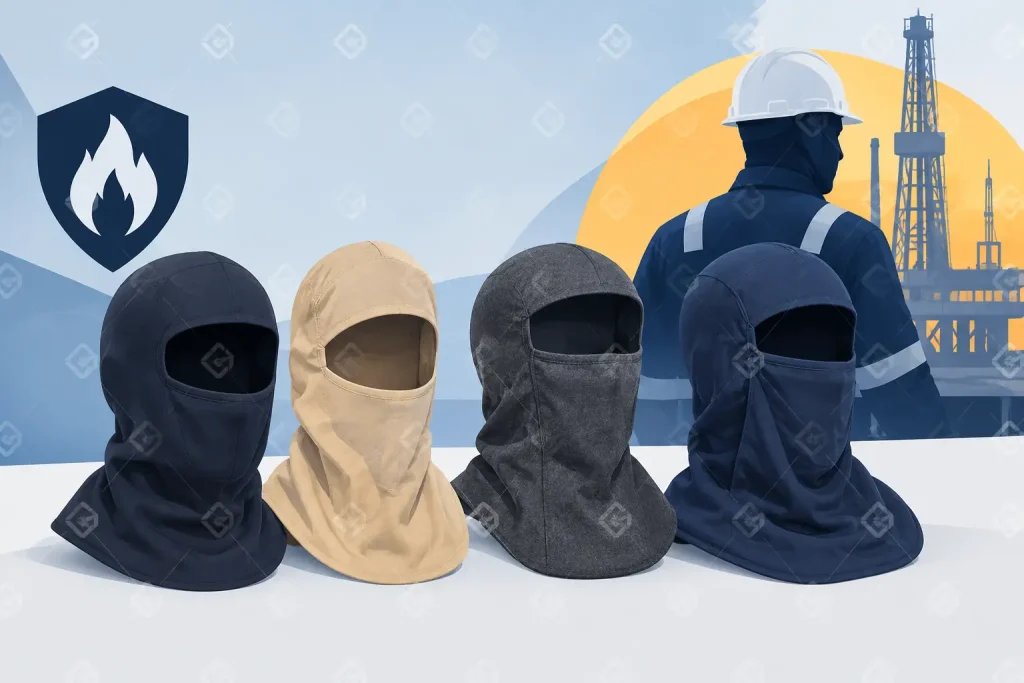
A flame event does not give a crew time to adjust exposed kit. The best flame resistant hoods provide dependable coverage at the vulnerable gap between helmet, collar, face protection and outer layers, while allowing personnel to hear, communicate, breathe and move without distraction. For fire and rescue, flight, SAR, coast guard and tactical teams, the right hood is a system component, not an afterthought.

There is no single hood that is best for every operational role. The correct specification depends on the heat hazard, potential for flash fire or arc exposure, helmet and respirator arrangement, weather conditions, shift length and the level of physical exertion expected. Procurement decisions should begin with the task, then work back to the garment construction and certification required.

What Makes the Best Flame Resistant Hoods?

A suitable flame resistant hood must do more than resist ignition. It needs to limit heat transfer, retain its protective properties throughout its service life and maintain coverage as the wearer turns their head, looks upward, kneels or works in a confined position. If the hood rides up at the neck or pulls away from the face opening, nominal protection on a specification sheet is of limited practical value.

Material choice is central. Inherent flame resistant fibres carry their flame resistance within the fibre itself, rather than relying on a topical treatment that may diminish through laundering or wear. This can make them a strong choice for issue garments subject to frequent washing and repeated deployment. Treated fabrics can also have a place, but their care regime, expected life and re-treatment requirements must be clearly understood before issue.

The construction must match the thermal threat. A lightweight single-layer hood may be appropriate where personnel need low bulk beneath a flight helmet or where heat stress and endurance are primary concerns. A heavier or multi-layer construction may offer greater thermal performance for higher-risk exposure, although it can increase insulation, bulk and moisture retention. More protection is not automatically better if it compromises communication, helmet stability or the ability to work safely for the duration of an incident.

Start With the Hazard, Not the Product Name

The term flame resistant covers a wide range of garments and materials. It should not be treated as proof that a hood is suitable for every fireground, aviation, industrial or public-order deployment. Define the credible hazard before comparing options.

For a structural fire environment, the hood must be considered alongside firefighting PPE, breathing apparatus, helmet design and the relevant organisational standard. In wildland and vegetation fire work, crews may need a lighter, highly breathable solution that manages radiant heat and intermittent flame contact without imposing unnecessary heat burden during long movement over difficult ground.

Flight and aviation personnel can face flash-fire risk, fuel-related hazards and confined cockpit environments. Here, low profile fit is often decisive. A hood that bunches at the neck, interferes with headset seals or disrupts helmet retention is unsuitable, even if its fabric performance is strong. For medical responders and air ambulance teams, the assessed hazard may be different again: an FR hood should be selected only where it aligns with the operational risk assessment and wider PPE policy.

Tactical teams may require discreet coverage that integrates with helmets, respirators, eye protection and communications equipment. The priority is often a stable face aperture, limited bulk and a fit that does not obstruct peripheral vision or compromise a protective mask seal.

Certification Must Be Relevant and Traceable

Standards matter because they create a common basis for testing and procurement. They do not remove the need to confirm that the finished hood is suitable for the intended deployment. Ask which standard applies to the garment, what that standard evaluates, and whether the tested configuration reflects the product being issued.

A clear technical data pack should identify the fabric composition, garment construction, size range, care instructions and relevant certification or test information. It should also distinguish between the performance of an individual material and the compliance status of the finished garment. Those are not always the same thing.

For organisational buyers, this information supports consistent issue, audit trails and replacement planning. It also helps prevent an increasingly common problem: combining individually protective items that leave gaps when worn together. The hood, collar, jacket, helmet, visor, breathing apparatus and communications equipment should be assessed as worn by the user, not as separate catalogue items.

Fit Is a Protection Requirement

A poor fit can create exposure points, discomfort and avoidable fatigue. It can also cause personnel to modify the garment during a job, which defeats the purpose of issuing protective equipment in the first place.

The face opening should sit close enough to provide coverage without pressing uncomfortably against the eyes, nose or mouth. It must work with eye protection and breathing apparatus where required, and should return to position after the wearer moves their head. The neck and shoulder area needs enough length and stretch to overlap with the outer garment collar during movement.

Female fit and a broad, well-considered size range deserve particular attention. Head and neck dimensions vary significantly across a team, and a one-size approach can leave some users with excess fabric beneath the helmet while others experience tightness at the jaw, neck or shoulders. Wear trials should include the full range of personnel who will use the item, not only a small group of representative wearers.

Comfort is operational performance. A hood that is excessively hot, itchy, restrictive or difficult to put on correctly is more likely to be worn improperly or avoided where discretion is possible. Look for smooth seams, low-bulk construction and fabrics that manage moisture appropriately for the work rate and climate.

Check Compatibility Before You Issue

The most capable hood can fail operationally if it is incompatible with the equipment around it. A practical wear trial should replicate the tasks personnel actually undertake: donning helmets and eye protection, fitting respiratory equipment, operating a radio, climbing, driving, casualty handling and working in adverse weather.

Pay particular attention to helmet interfaces. Excess material at the crown can affect helmet position, while a high or thick neckline can disrupt the collar closure of an outer garment. With respirators or masks, check that the hood does not interfere with seals, straps, valves or microphone placement. For flight crews, test the complete arrangement with headsets and helmet-mounted systems rather than relying on a static fitting.

Communication is equally critical. Thick or tightly tensioned fabric around the ears can reduce hearing and make radio use more difficult. That trade-off may be acceptable in a specific high-heat role, but it should be recognised and managed through the equipment system, not discovered during an incident.

Durability and Care Should Shape the Specification

Operational hoods are repeatedly stretched, contaminated, laundered, packed and worn beneath other equipment. Their protective properties and fit need to remain reliable through that cycle. A lower initial purchase cost is quickly undermined if the garment loses shape, develops seam failures or requires replacement after limited use.

Care instructions should be realistic for the organisation’s laundering arrangements. Some contaminants, including oils, fuels and residues from fire environments, require controlled decontamination rather than routine washing. Personnel should know when a hood can be cleaned, when it must be removed from service and who has authority to inspect or replace it.

A sound inspection routine checks for four common issues:

  • holes, thinning fabric, abrasion or damaged seams;
  • loss of stretch or distortion around the face and neck opening;
  • persistent contamination, odour or staining that cannot be safely removed; and
  • missing product identification or unclear care and traceability information.

Replacement planning should account for spares, individual issue records and the ability to obtain matching items promptly. For specialist teams, access to alterations, professional measuring and bespoke development can be as valuable as the garment itself, particularly where standard sizing does not provide a dependable fit.

Specify for the Conditions Your Team Actually Faces

Climate affects the choice as much as flame exposure. A hood intended for cold, wet coastal operations may need to work beneath stormwear and helmets for long periods, whereas a hot-weather or wildland configuration may prioritise low mass and breathability. In either case, crews should not be forced to choose between thermal comfort and correct coverage.

British-based design and manufacture can be particularly useful where teams need controlled specifications, repeatable sizing or adjustments based on field feedback. Rig Equipment works with operational users who need clothing designed around the realities of hazardous, weather-exposed work, including climate-specific materials and fit requirements that generic workwear often misses.

The best choice is the hood that protects the actual wearer, integrates with their issued equipment and remains dependable after repeated use and care. Put it through a realistic wear trial before committing to issue, because the time to find a coverage gap is in training, not at the edge of an incident.

Female PPE That Protects Without Restricting

Female PPE That Protects Without Restricting

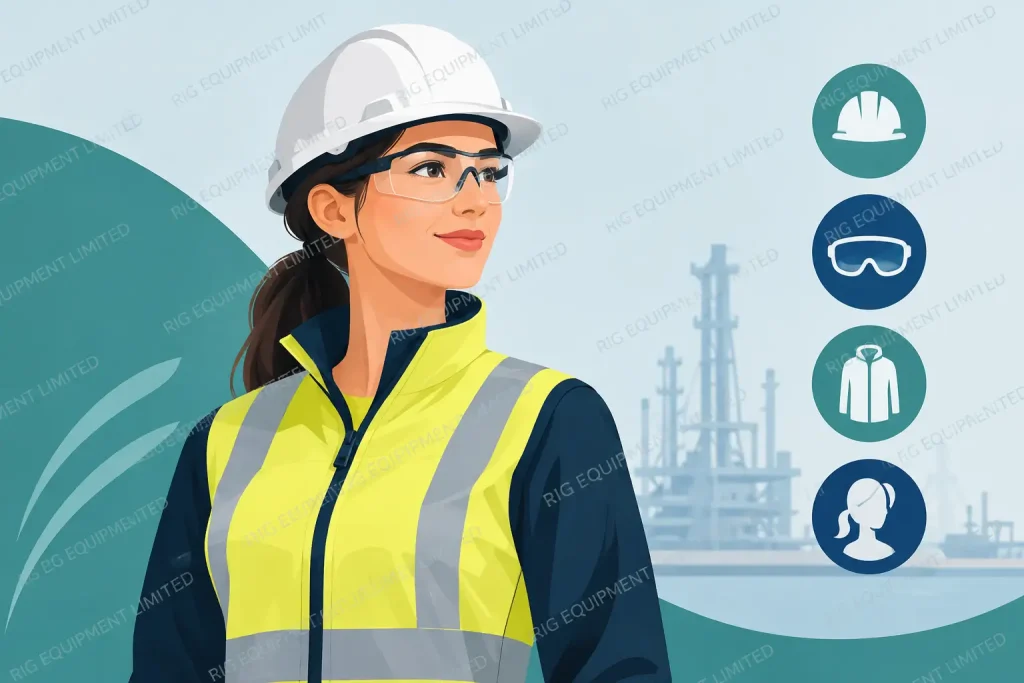
A jacket that rides up when reaching overhead, trousers that catch at the knee, or body armour that sits in the wrong place is not a minor comfort issue. In an operational setting, it can delay access to equipment, limit mobility and distract from the task. Female PPE must provide the same certified protection as any other issue kit while fitting the person who is required to wear it.

For HEMS crews, search and rescue teams, coastguard personnel, firefighters, medical responders and tactical operators, equipment is used in rain, wind, heat, confined spaces and high-pressure incidents. Fit is therefore part of readiness. It affects whether a wearer can climb, kneel, lift, run, communicate and work safely for the full duration of a shift.

Female PPE is an operational requirement

For too long, women in operational roles have been expected to adapt to equipment designed around a single body shape. Sizing down a unisex garment may narrow the chest or shorten the leg, but it does not necessarily alter the shoulder width, sleeve shape, waist-to-hip proportion, rise or placement of protective components. The result can be excess fabric in one area and restriction in another.

Well-designed female PPE recognises that fit is not simply about appearance. A properly cut garment keeps protective layers where they are intended to be, allows the wearer to maintain a full range of movement and reduces snagging around harnesses, vehicle interiors and carried equipment. It should also support a professional, consistent presentation across the team without requiring individuals to make unsafe compromises.

That does not mean every woman needs the same pattern or product. Body shape, role, layering preference and task all vary. The objective is a properly specified range, with enough size and fit options for each team member to work effectively.

Start with the hazard, then assess the fit

Protection levels must always be driven by the operational risk assessment. Flame resistance, weather protection, visibility, abrasion resistance, biological protection and compatibility with other equipment cannot be traded away for a more comfortable cut. The correct approach is to select certified materials and construction for the hazard, then ensure the garment or item is available in a fit that works for the wearer.

This matters particularly where clothing forms part of a system. A flame-resistant base layer, mid-layer and outer shell need to work together without bunching. A waterproof storm jacket must remain long enough to provide coverage, yet not restrict access to a harness or belt kit. Gloves must provide dexterity for medical treatment, rope handling or equipment controls while still delivering the necessary thermal, mechanical or weather protection.

The same principle applies to helmets, eye protection, footwear and body-worn equipment. A helmet that cannot be adjusted securely around the wearer’s head is not correctly fitted. Boots that lack heel hold increase fatigue and instability on uneven ground. Load-bearing belts, buoyancy equipment and harnesses need to sit in their intended positions without rubbing, shifting or obstructing movement.

What good female-fit design looks like

A female-fit garment is not merely a standard item offered in smaller sizes. It should be developed with pattern changes that account for real movement and operational layering. The exact requirements depend on the item, but several details are consistently significant.

Mobility where work demands it

Shoulder articulation matters when lifting, reaching into aircraft, operating on steep ground or carrying equipment. A well-considered sleeve and upper-back design allows reach without pulling the whole jacket upward. In trousers, articulated knees, an appropriate rise and room through the seat and thigh help the wearer squat, kneel and climb without strain or excessive loose material.

Mobility should be checked while performing the actual movements of the role, not just while standing in a fitting room. A responder should be able to raise both arms, step up, kneel, sit in a vehicle, wear a harness and retrieve commonly used equipment. If the garment interferes with any of these tasks, a different cut, size or configuration may be required.

Coverage without excess bulk

Protective clothing has to cover the body through movement. However, more fabric is not automatically better. Oversized sleeves can interfere with gloves and controls; loose trouser legs can snag; a jacket that is too long may conflict with a harness or seated posture. Correct female PPE balances coverage with close, functional control of the garment.

Layering also changes the equation. A shell that fits perfectly over a thin base layer may become restrictive when worn over insulation. Conversely, a jacket bought too large to accommodate winter layers can be cumbersome during warmer operations. Teams working across seasons may need a modular system rather than one oversized garment intended to cover every condition.

Placement that remains accessible

Pockets, radio loops, identification panels, attachment points and adjustment tabs should remain usable when the wearer is moving and carrying equipment. Placement must also be compatible with lifejackets, harnesses, body armour and vehicle restraints where relevant.

This is one area where wearer trials are valuable. A pocket can look sensible on a technical drawing but be blocked by a belt or uncomfortable beneath a harness. Direct feedback from personnel carrying out real tasks provides practical evidence before a wider issue is made.

Sizing is a process, not a label

Procurement teams should avoid relying solely on generic size labels. Measurements provide a stronger starting point, particularly for technical garments and clothing that must work with body-worn equipment. Waist, hip, inside leg, chest or bust, sleeve length and torso length can all affect the final fit.

Professional measuring guidance is especially useful when issuing uniforms to a mixed team or ordering bespoke items. It helps identify whether a standard female cut is appropriate, whether alterations are required and whether a different product is better suited to the role. Alterations can improve sleeve or trouser length, but they should not be used to compensate for a fundamentally unsuitable pattern or to change a certified protective design without proper consideration.

Privacy and dignity also matter during the process. People should be able to raise fit concerns without being made to feel difficult or singled out. A clear issue and exchange process, supported by knowledgeable staff, makes it easier to correct problems before equipment is used operationally.

Procurement should include wearer trials

For larger uniform programmes, a sample-based trial is often the most reliable route. It identifies fit issues early and gives procurement leads evidence beyond a size chart. The trial should include personnel from the roles, sizes and operational environments represented within the team.

A useful evaluation considers four practical questions:

  • Does the item meet the required protection standard for the identified task?
  • Can the wearer complete core movements and access essential equipment?
  • Does it work with the layers, footwear, helmet, harness or armour used on duty?
  • Does the fit remain stable and comfortable through a realistic period of wear?

Feedback should distinguish between personal preference and a genuine operational issue. Colour preference may be subjective; restricted overhead reach, poor helmet retention or inaccessible equipment is not. Recording both types of feedback still helps teams make informed decisions, but safety and task performance must lead the final specification.

Care, replacement and consistency matter

Even the best-fitting item will not perform as intended if it is damaged, contaminated or incorrectly maintained. Teams need clear care instructions and a practical route for repairs, alterations and replacement issue. This is particularly relevant for garments exposed to saltwater, fuels, smoke, mud, repeated laundering or severe weather.

Fit should be reviewed when a role changes, when new equipment is introduced or when the wearer reports discomfort. A new armour carrier, different harness or revised layering system can alter how existing clothing performs. Re-issuing the same size without checking compatibility can recreate the original problem.

Rig Equipment supports specialist teams with British-designed operational clothing, measurement guidance and bespoke development where standard issue does not meet the requirement. For individual responders and procurement leads alike, the aim is straightforward: equipment that protects personnel, supports movement and is ready for the conditions they face.

The most useful question is not whether a garment is marketed for women. It is whether the wearer can do the job safely, repeatedly and without fighting their equipment. When female PPE is specified around real hazards, real movement and real people, it becomes part of the team’s operational capability rather than another obstacle to manage.

Female Fitwear Development for Operational Teams

Female Fitwear Development for Operational Teams

A flight suit that rides up beneath a harness, a jacket that opens at the chest during a reach, or trousers that restrict a high step are not minor comfort issues. They can distract from patient care, slow movement over difficult ground and compromise the protective system being worn. Female fitwear development is therefore an operational requirement, not a cosmetic adjustment to a standard garment.

For HEMS crews, search and rescue teams, coast guard personnel, firefighters and tactical operators, clothing must work through long shifts, changing weather and physically demanding tasks. It must also allow the wearer to carry radios, medical equipment, flotation systems or protective layers without creating pressure points or limiting access. A dependable female-specific fit starts with understanding the job, the body in motion and the complete equipment system.

Why female fitwear development needs a different starting point

Historically, many operational garments were graded down from a male block. This may produce a smaller size, but it does not reliably create a garment shaped for female wearers. Differences in shoulder width, bust, waist-to-hip proportion, rise, thigh shape and back length affect how fabric sits and how a garment behaves when the wearer bends, kneels, climbs, reaches or works in a seated position.

The consequences become more pronounced when technical layers are involved. A base layer that is too loose can bunch beneath a protective outer layer. A jacket that is too narrow across the upper back can restrict overhead reach. Trousers with an unsuitable rise may pull when climbing into an aircraft, vehicle or rescue craft. If the fit is wrong at the first layer, adding body armour, harnesses, buoyancy aids or weather protection will usually make the problem worse.

Good development does not assume that all women require the same solution. Some teams need a wider range of leg lengths; others need different waist and hip relationships, or allowance for insulated layers in cold-weather roles. The objective is practical: provide enough fit options that personnel can work safely without having to choose between mobility, protection and professional appearance.

Fit must be tested in operational movement

A measurement chart is essential, but it is only the beginning. Static measurements do not show what happens when a wearer raises a casualty, adopts a low working position or spends several hours seated in a helicopter. Female fitwear development should be informed by wear trials that reflect the real demands of the role.

For flight operations, this may include sitting with a harness fastened, reaching for controls, moving through confined access points and working around medical kit. For search and rescue personnel, the test sequence should include uphill movement, kneeling, scrambling, lifting and prolonged exposure to wind and rain. Fire and rescue teams may need to assess reach, crouching, ladder work and compatibility with respiratory protection or specialist PPE.

The most useful feedback is specific. Rather than asking whether a garment is comfortable, development teams should establish where it pulls, twists, gapes, rides up or creates pressure. Does the sleeve remain in place when gloves are worn? Can a radio be accessed without opening protection unnecessarily? Does the trouser hem interfere with boots? Can the wearer layer up without losing dexterity or becoming restricted at the shoulders?

Repeated field testing matters because a garment can appear successful during a short fitting session yet fail after a full operational day. Heat, moisture, fatigue and the weight of equipment all change how clothing feels and performs.

Pattern engineering protects movement and coverage

Technical fit is achieved through pattern design, not simply by adding stretch fabric. Articulated knees, shaped elbows, a carefully engineered gusset and correctly positioned seams can improve freedom of movement while maintaining coverage. The placement is critical. A seam beneath a harness strap, body armour edge or rucksack contact point can become an abrasion or pressure issue over time.

Upper-body design requires particular care. A female-specific block should provide the required room through the bust without excessive volume around the waist or arms. Too much loose fabric can snag on equipment, interfere with layering and reduce thermal efficiency. Too little can strain fastenings and restrict reach. The best balance depends on the garment’s intended role and what will be worn beneath it.

Trousers require equal attention. A contoured waistband, suitable rise and proportionate hip and thigh shaping can prevent the garment from pulling down or binding during movement. Leg articulation must work with, rather than against, knee pads, boots and climbing movement. Pocket positions should remain usable when seated or wearing a harness, and closures should not create hard points under load-bearing equipment.

There are trade-offs. A closer fit may reduce bulk and improve equipment compatibility, but it must retain room for thermal layers where conditions demand them. Greater stretch can aid movement, but it must be assessed for durability, recovery, flame resistance and suitability for the stated protective requirement. Material selection and pattern engineering need to be developed together.

Climate-specific materials are part of the fit system

Fit changes with climate. In cold, wet conditions, teams may wear multiple layers and require outer garments that accommodate insulation without compressing it. In warmer environments, moisture management, air permeability and rapid drying become more significant. A garment that feels acceptable in a fitting room may become heavy, clammy or restrictive during sustained work in rain, heat or high humidity.

Female fitwear development should account for the full layering system: base layer, mid-layer, protective outer layer and any role-specific PPE. Each item needs to move with the others. If sleeves catch, waistbands overlap uncomfortably or collars compete for space around neck protection, the wearer may adapt by removing a layer or leaving a fastening open. That creates avoidable exposure.

Where flame resistance, weather protection or high-visibility performance is required, the chosen materials must support the applicable protection needs without ignoring mobility. Technical specifications should be clear about the intended use, limitations and care requirements. Protective performance relies on the garment being correctly worn, correctly maintained and appropriately sized.

Equipment compatibility cannot be left until the end

Operational clothing is rarely used alone. It is worn with helmets, gloves, belts, boots, harnesses, buoyancy aids, radios, medical packs and protective equipment. Developing the garment in isolation is a common route to poor performance in the field.

A practical development programme checks interfaces early. Pocket access should be tested with gloves and harnesses. Collar height should be reviewed with helmet retention systems and flotation equipment. Reinforcement panels should be positioned for the surfaces that actually experience wear. Zip pullers, adjustment points and closures need to remain accessible in poor weather and low light.

For organisations issuing clothing across mixed teams, this approach also supports consistency. Personnel should be able to work from the same equipment layout and operational standard while receiving a fit that suits their body. Inclusive sizing is not about creating separate standards. It is about ensuring every member of the team can meet the same standard of readiness.

Better sizing support reduces avoidable risk

The garment itself is only part of the answer. Accurate measuring guidance, fit samples and professional support help organisations issue the right size first time. This is particularly valuable for specialist uniforms, where alterations made without understanding the design can affect function, coverage or certification.

Procurement teams should look beyond a single chest or waist measurement. Consider height, sleeve and inside-leg length, hip measurement, layering requirements and the role-specific equipment to be worn. For bespoke programmes, wearer consultation and sample fittings can identify recurring fit issues before production is committed.

Alterations have a legitimate place, especially for individual requirements, but they should be controlled. Moving a pocket, shortening a sleeve or changing a hem can alter the way a garment interfaces with gloves, harnesses or protective components. A manufacturer that understands the original design can advise whether an alteration is appropriate and how it should be completed.

Rig Equipment approaches bespoke development as a partnership between the wearer, the organisation and the technical team. That means considering material performance, movement, identification requirements, repairs and future replacement from the outset, rather than treating clothing as a one-off purchase.

What good development looks like in service

A successful female-fit garment does not call attention to itself during an incident. It allows the wearer to concentrate on the casualty, the task, the crew and the environment. It stays in position while moving, provides intended coverage, works with essential equipment and remains dependable after repeated use, cleaning and exposure.

The most effective specifications are built on direct wearer input, realistic trials and a clear understanding of operational risk. When teams are consulted early and garments are tested under the conditions they are designed to face, fit becomes part of protection rather than an afterthought. That is the standard worth setting before the next call-out.

Waterproof Fabric Performance Under Pressure

Waterproof Fabric Performance Under Pressure

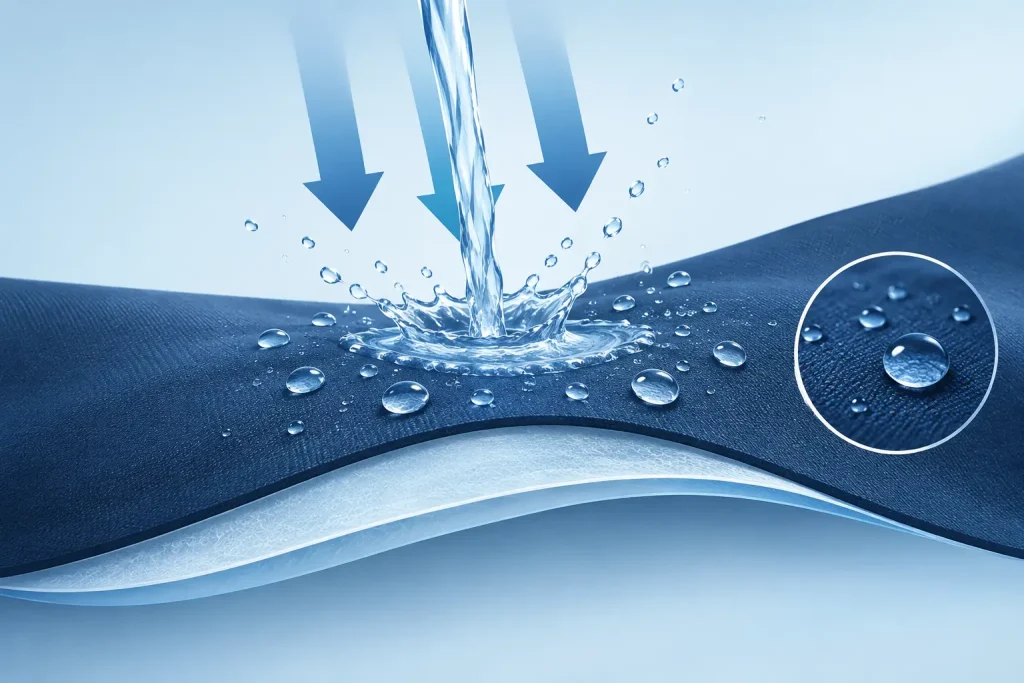
A waterproof jacket can appear fully serviceable at the start of a shift, then fail where it matters most: beneath a rucksack harness, at the knee during a casualty intervention, or along the shoulders during prolonged exposure. Waterproof fabric performance is not a single number on a specification sheet. It is the combined result of fabric construction, seam sealing, garment design, fit, maintenance and the conditions in which the wearer operates.

For coast guard teams, SAR personnel, air ambulance crews, wildland firefighters and tactical operators, rain protection must do more than keep out a brief shower. It must support mobility, manage internal moisture and continue to protect the wearer through prolonged, physically demanding work. Selecting the right material starts with understanding what the ratings mean, and where their limits sit.

What waterproof fabric performance really measures

Waterproofness is commonly measured by hydrostatic head. This test records the pressure a fabric can withstand before water penetrates it, expressed in millimetres. A higher figure generally indicates greater resistance to water pressure, but it should never be treated as a complete prediction of field performance.

Rain does not apply pressure evenly. A kneeling responder, a crew member seated against a wet surface, or a rescuer carrying equipment can create concentrated pressure at specific points. Harnesses, flotation equipment, straps and loaded pockets can also force water against the outer fabric. In these conditions, a material that performs well in a laboratory test may be challenged by the garment’s construction, abrasion level and the way it is being used.

A waterproof fabric must also be incorporated into a waterproof garment. Unsealed stitch lines, poorly protected zips, weak pocket construction and incomplete storm flaps can compromise the finished item, regardless of the fabric rating. Procurement decisions should therefore consider the entire system rather than selecting on membrane figures alone.

Waterproof fabric performance and breathability

Keeping rain out is only half the job. Operational personnel generate heat and moisture quickly when moving equipment, climbing, treating casualties or working into the wind. If perspiration cannot escape, the wearer may become damp from the inside, lose comfort and cool rapidly during a pause in activity.

Breathability is often measured through moisture vapour transmission or resistance to evaporative heat loss. These tests are useful for comparison, but the figures are produced under controlled conditions. Real-world breathability depends on external humidity, temperature, wind, layers, exertion level and the amount of garment ventilation available.

When the outer environment is very humid or the wearer is working at a high output, no waterproof layer can move all moisture away as quickly as the body produces it. That is a physical limitation, not necessarily a product fault. The objective is to reduce moisture build-up while maintaining dependable weather protection.

This is why a well-specified operational shell needs more than a breathable membrane. Pit ventilation, a protective but adjustable collar, compatible cuffs and an effective layering system all influence comfort. Base layers should move moisture away from the skin, while insulating layers must not restrict movement or block the shell’s ability to vent. The right combination differs between a static maritime watch, a winter search and a high-tempo medical response.

Fabric construction changes field performance

Waterproof textiles generally use a coating or membrane bonded to a face fabric. The face fabric provides strength and abrasion resistance, while the waterproof layer prevents liquid water from passing through. An internal lining, print or protective backer may be added to improve comfort and protect the membrane from wear.

A lighter construction can reduce bulk and support packability, which may suit personnel carrying a shell as contingency equipment. However, frequent contact with rough ground, vehicle interiors, rock, equipment edges or harnesses calls for greater durability in high-wear areas. Reinforcement panels and carefully selected face fabrics can extend service life, but they can add weight and reduce the supple feel of the garment.

There is no universally correct balance. A flight crew may prioritise low bulk, compatibility with seating and rapid movement through confined spaces. A coastal rescue team working in sustained wind-driven rain may need a more substantial outer construction and stronger protection at shoulders, elbows and seat areas. The garment must be specified around the role, not simply around a headline waterproof rating.

Seams, zips and interfaces

Every needle hole created during manufacture is a potential entry point for water. Taped or welded seams are therefore essential in genuinely waterproof garments. Their quality matters as much as their presence: tapes must cover the seam reliably, bond correctly and remain secure after use, laundering and storage.

Zips require the same scrutiny. Water-resistant zips can reduce bulk, but exposed zips are rarely sufficient for prolonged rain unless the design includes suitable storm protection. Pocket openings, radio-routing points, hood adjustments and attachment interfaces should also be assessed. These areas are regularly overlooked in a basic product comparison, yet they are often the first places water enters during operational use.

The interface between jacket, gloves, trousers, helmet and flotation or load-bearing equipment deserves attention too. Water can travel through poorly managed gaps even when each individual item is technically waterproof. A field trial should include the equipment teams actually wear, not only an isolated jacket on a mannequin.

The role of the durable water repellent finish

Most waterproof outer fabrics use a durable water repellent finish, commonly called DWR. This treatment causes rain to bead and run off the face fabric rather than soaking into it. It does not create the waterproof barrier – the membrane or coating performs that role – but it has a major effect on comfort.

When the outer face fabric wets out, the garment may feel colder and heavier. Moisture vapour transfer can also reduce because the fabric’s outer surface is saturated. Wearers may assume that a jacket is leaking when the principal issue is loss of surface repellency and condensation inside the garment.

DWR performance declines through abrasion, dirt, salt, fuel residues, sunscreen, smoke, repeated handling and washing with unsuitable products. Routine cleaning is therefore part of protective performance, not a cosmetic exercise. Follow the manufacturer’s care instructions, avoid fabric softeners and check whether the finish can be reactivated or renewed. Teams operating in marine, aviation or wildfire environments should establish care routines that reflect their exposure rather than waiting until garments visibly fail.

Fit is a performance requirement

A waterproof shell that restricts reach, twists across the shoulders or rides up beneath a harness creates risk. It can expose the waist, pull cuffs away from gloves and discourage the wearer from adding the insulation needed for cold conditions. Fit affects protection as directly as fabric technology.

This is particularly relevant when issuing clothing across a mixed team. Pattern design should accommodate real differences in body shape and layering needs, including purpose-designed female fit options where required. Sizing should be assessed while wearing duty layers and essential equipment, with movement checks for reaching overhead, kneeling, entering vehicles and handling communications equipment.

A close fit is not always the best fit. Too little room reduces mobility and compresses insulation; too much creates snag risk, excess bulk and heat loss. Professional measurement support and practical wearer trials help organisations avoid treating sizing as an afterthought.

How to assess a waterproof garment before issue

Paper specifications are necessary, but they should be followed by role-specific evaluation. Test garments in representative weather where possible, or create realistic wear trials using the actual PPE, harnesses, bags and radios the team uses. Ask users to identify pressure points, reduced vision from the hood, water entry at cuffs or collar, overheating during exertion and difficulty accessing essential kit.

For organisational purchases, record the intended operating range: expected rainfall, wind exposure, temperature, work rate, duration, abrasion risk and compatibility requirements. This creates a defensible specification and helps distinguish between a light emergency overlayer and a primary storm garment for sustained exposure.

Rig Equipment approaches this work as an operational clothing requirement, considering certified materials, garment design, fit and the realities of hazardous service rather than treating waterproofness as an isolated feature.

Care, inspection and replacement planning

Waterproof clothing should be inspected before damage becomes obvious. Look for lifting seam tape, worn shoulder areas, damaged cuffs, tears around pocket corners, compromised zips and contamination that cleaning has not removed. Small defects can become serious failures in severe weather.

Repairs and alterations should preserve the garment’s protective construction. An improvised stitch repair through a waterproof panel may solve a tear temporarily while creating a new leak path. Where a repair is appropriate, it should be carried out with suitable materials and followed by a check of the affected seams and interfaces.

The most dependable waterproof layer is the one that matches the mission, fits the person wearing it and is maintained before the next callout. Treat it as part of the operational system, and it will be better placed to protect the team when weather stops being an inconvenience and becomes a hazard.

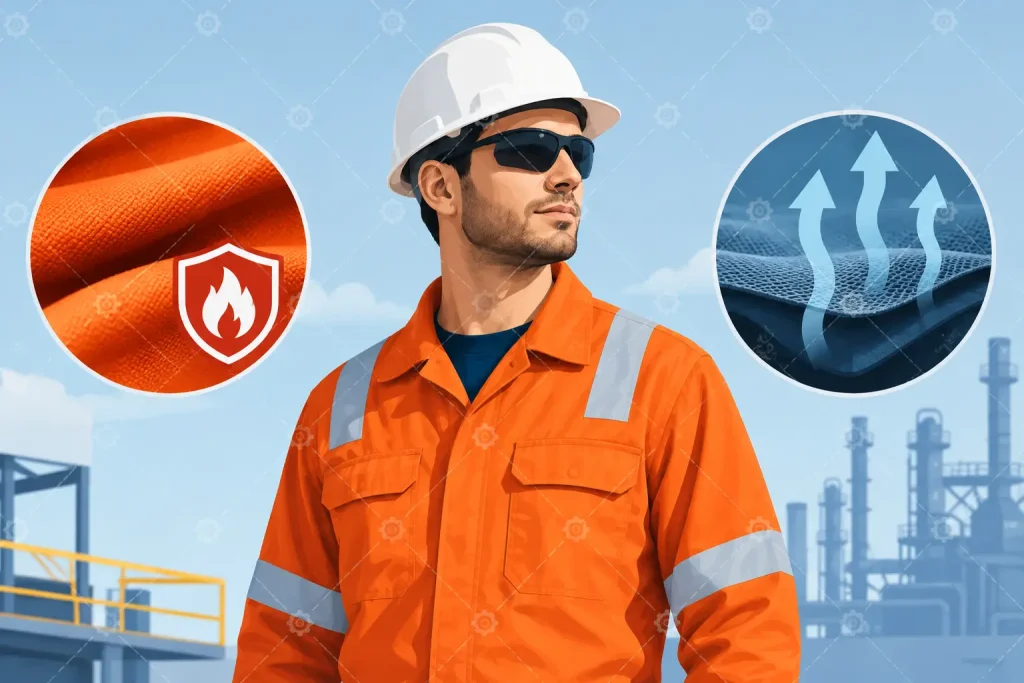
Are Flame Resistant Fabrics Breathable at Work?

Are Flame Resistant Fabrics Breathable at Work?

A flight crew member working a hot turnaround, a coastguard team moving equipment ashore, or a wildland firefighter on a long ascent faces the same practical question: are flame resistant fabrics breathable enough to work in for hours? The answer is yes, often, but breathability is not guaranteed by an FR label. It depends on the fibre system, the fabric weight and construction, the garment design, the layers worn beneath it, and the conditions in which the wearer is operating.

For operational teams, comfort is not a cosmetic consideration. When clothing traps heat and moisture, concentration, movement and endurance can all be affected. The requirement is to manage that burden without compromising the certified thermal protection needed for the task.

Are flame resistant fabrics breathable?

Flame resistant fabric can be breathable, but it is not automatically as breathable as a lightweight non-protective shirt. Fire and heat protection asks fabric to do more than ordinary workwear: resist ignition, limit flame spread, reduce heat transfer and maintain performance after exposure. Those requirements can add density, specialised fibres, treatments or protective layers that influence how readily heat and perspiration move away from the body.

Breathability is also an imprecise term. In day-to-day use, people generally mean that a garment feels less clammy and allows sweat to evaporate. Technically, this involves several separate properties. Air permeability describes how easily air passes through a fabric. Moisture vapour transmission describes how well water vapour can move through it. Thermal resistance and evaporative resistance indicate how much a clothing system slows heat loss and sweat evaporation.

A fabric may allow little direct airflow yet still move moisture vapour effectively. Conversely, an open, light fabric may feel airy but offer less protection from radiant heat, wind or weather. The correct balance is determined by the hazard assessment, not by selecting the lightest option available.

Why some FR garments feel hotter than others

The first distinction is between inherently flame resistant fabrics and fabrics given an FR treatment. Inherent FR fibres have their resistance built into their chemical structure. Their protective properties are designed to remain throughout the service life of the garment when correctly cared for. Treated fabrics use a finish applied to a base material, often cotton-rich, to provide flame resistance.

Neither category is inherently cooler in every application. A well-engineered inherent fabric can offer excellent moisture management and long-term performance, while a treated fabric can be comfortable and familiar in feel. Fabric construction, weight and finish are often more influential than the broad category alone. Procurement teams should assess the complete technical specification rather than assuming one route is always more breathable.

Weight matters. A heavier fabric generally carries a greater heat burden than a lighter one, although it may be necessary where abrasion, flash fire exposure, durability or environmental protection demand it. A close weave can improve durability and provide some wind resistance, but may reduce airflow. Stretch panels, reinforced zones, pocket layouts and waterproof membranes also affect how heat and moisture are managed across the whole garment.

The work rate matters just as much. Personnel standing on a cold airfield may need insulation and wind protection. The same personnel moving casualties, lifting kit or working under a helmet and load carriage may generate significant body heat within minutes. Clothing needs to perform through both states, not simply feel comfortable when first put on.

Protection comes before perceived coolness

In hazardous roles, a garment must never be selected solely because it feels cooler. Some commonly used performance fabrics can melt, drip or shrink under heat exposure. This can increase injury risk, particularly when clothing is worn as a base layer beneath an FR outer system.

The full clothing ensemble must be considered. An FR jacket over a non-FR polyester base layer does not create a fully protective system. Equally, adding non-approved waterproofs, fleece layers or high-visibility garments can change the protection, breathability and mobility of the original clothing configuration.

This is particularly relevant where teams work across changing environments. Search and rescue personnel may move from vehicle-based response to exposed ground operations. HEMS and air ambulance crews may work in confined aircraft cabins, then attend incidents in poor weather. Wildland teams may face high exertion, solar exposure, smoke and rapidly changing wind conditions. One garment cannot remove every trade-off, but a properly specified layering system gives the wearer more control.

Build breathability through the layering system

A breathable FR system begins next to the skin. Base layers should move moisture away from the body while remaining appropriate for the thermal risk. If the next-to-skin layer retains perspiration, it can leave the wearer damp and chilled during lower activity, while making the entire system feel hotter during exertion.

The mid-layer should add warmth only when conditions require it. Bulky insulation may be necessary for static exposure, but it can quickly become unsuitable for high-output work. A lighter FR mid-layer, used with a shell that can be opened, removed or adjusted when safe to do so, often gives better operational flexibility.

Outer layers provide the greatest protection from weather and external hazards, but they can also create the greatest barrier to moisture transfer. Flame-retardant stormwear with waterproof and windproof properties has a vital role in exposed operations. However, any waterproof barrier reduces air exchange to some degree. Ventilation features, compatible underlayers and sensible task-based clothing changes help manage the resulting heat load.

Fit is part of this system. Clothing that is too tight can restrict movement and limit the insulating air space intended by its design. Clothing that is excessively loose can snag, interfere with equipment and make layering harder to regulate. Female-fit options and a comprehensive size range are operational considerations, not merely matters of appearance. Better fit supports reach, mobility, comfort and more consistent use of the intended protective layers.

Garment design can make a measurable difference

Two garments made from a similar FR fabric can perform very differently in use. Design details determine whether the wearer can release excess heat and continue moving freely without compromising protection.

Useful features may include controlled ventilation in lower-risk areas, adjustable cuffs and collars, articulated sleeves, practical pocket placement and closures that remain manageable with gloves. The location of reinforcement is also significant. High-wear areas need durability, but covering large sections of the garment with dense reinforcement can create heat-retaining zones.

Headwear, gloves, footwear and body armour or buoyancy equipment should also be considered. Heat stress is a whole-system issue. A well-performing shirt cannot compensate for an over-insulated, poorly fitted or incompatible equipment set.

How to assess breathable FR clothing for a team

Product data is essential, but field use provides the final test. Confirm the relevant protection standards and the scope of certification first, then consider fabric weight, fibre composition, construction and any membrane or coating. Ask what the garment is intended to protect against and what it is not designed to do.

Next, assess the actual duty cycle. Consider ambient temperature, humidity, wind, solar load, expected work rate, task duration, vehicle or aircraft time, required PPE, washing regime and the need for cold-weather layering. A garment that works well for an indoor technical role may be unsuitable for coastal response or prolonged summer deployment.

Wear trials should involve the people who will use the kit, including a representative range of body shapes and roles. Test mobility while reaching, kneeling, carrying, climbing and working with issued equipment. Record where heat accumulates, whether sweat dries during lower activity, and whether the garment continues to sit correctly after repeated movement. Feedback should be specific enough to inform a revised specification rather than reduced to a simple judgement of ‘too hot’ or ‘comfortable’.

Care instructions deserve equal attention. Contamination with oils, fuels, dirt or unsuitable laundry products can affect garment performance and wearer comfort. Consistent inspection, laundering and repair processes help retain the properties for which the clothing was selected.

The practical answer for operational users

Breathable FR clothing is achievable, but it is a balance rather than a single feature. The most suitable system is the one that provides verified protection for the identified hazard while allowing the wearer to manage heat, moisture and movement during real operational work.

For teams working across severe weather, high exertion and heat-related risk, the strongest specification starts with the task and builds outward: certified materials, the right fabric weight, compatible layers, accurate fit and a design tested by the people who depend on it. When clothing allows personnel to stay protected, mobile and focused through a full shift, it is doing the work it was issued to do.

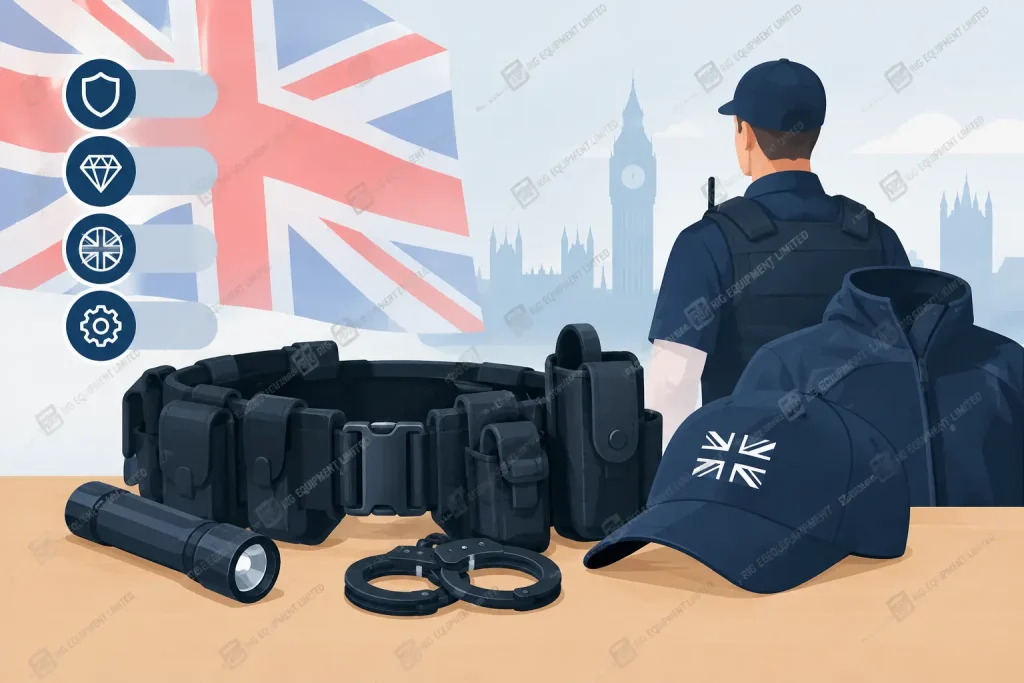
How to Choose the Best British Made Duty Kit

How to Choose the Best British Made Duty Kit

A duty kit failure rarely starts with one dramatic fault. More often, it begins with a glove that compromises dexterity, a jacket that traps heat during exertion, a belt that shifts under load, or an ill-fitting trouser that restricts a climb, casualty carry or vehicle exit. The best British made duty kit is therefore not a collection of individually impressive items. It is a properly specified system that protects the wearer, supports their role and continues to perform through repeated operational use.

For emergency services, defence and specialist response teams, the decision carries more weight than appearance. Equipment must allow people to work safely in poor weather, low light, confined spaces and high-pressure incidents, while maintaining a professional, consistent presentation. British design and manufacture can add real value here, but only when it is paired with appropriate materials, controlled production, reliable sizing and a supplier that understands the work.

What the best British made duty kit must do

The right kit starts with the task, not a catalogue category. A search and rescue team operating on exposed ground has different priorities from a flight crew, public order officer or medical responder. Some need flame-resistant protection and weather defence. Others need low bulk, quick access to medical equipment and movement through aircraft or vehicles. Many require both weather protection and a smart, recognisable uniform profile.

A good specification should define the operational environment, likely hazards, activity level, shift duration and equipment carried. It should also account for the moments that test clothing hardest: kneeling beside a patient, working overhead, handling wet lines, moving over rough terrain, wearing a harness or sitting for extended periods in a vehicle.

British-made kit is not automatically the best choice simply because of where it is produced. The meaningful advantage is closer control over design, materials, build quality, alterations, repairs and replenishment. For organisations, that can mean a clearer route from frontline feedback to an improved garment or accessory, rather than accepting a one-size-fits-all product intended for general workwear.

Build a duty system, not a shopping list

The most effective issue programmes consider how each component works with the next. A technically capable outer layer can still become a poor choice if it conflicts with body armour, catches on a radio harness or leaves no room for the insulation layer needed in winter.

Start at the skin

Base layers manage the first stage of comfort: moisture next to the body. In cold, wet or wind-exposed work, damp fabric can quickly reduce warmth and concentration. In high-exertion roles, poor moisture management may cause overheating followed by rapid cooling during rest, transport or casualty care.

The correct fabric depends on the role. A flame-resistant base layer may be necessary where thermal hazards are identified, while lightweight, fast-drying materials may better serve teams working hard in variable temperatures. The key is to avoid treating a base layer as an optional extra. It affects how every layer above it performs.

Choose outerwear for the real conditions

Stormwear should be assessed in relation to wind, rain, temperature, physical effort and the equipment worn over or beneath it. A highly protective shell may be appropriate for static exposure, but could be too warm for prolonged hill movement or a fast-paced medical response. Venting, hood adjustment, cuff design, pocket access and compatibility with helmets or flotation equipment can matter as much as the headline weather rating.

For flight operations, coast guard work and search and rescue, visibility requirements and water exposure must be considered alongside weather protection. In wildland or fire-related environments, material selection should reflect the identified heat and flame risks. Protection needs to be relevant, certified where required and supported by clear care guidance, because incorrect laundering or repair can compromise performance.

Carry equipment without creating new problems

Belts, bags, pouches, lighting and gloves are often selected separately, then expected to work together on issue day. That approach creates avoidable friction. A loaded belt can affect trouser comfort and lower-back movement. A bag can block access to jacket pockets. Gloves can make a radio control, zip pull or medical fastening difficult to use.

Test the complete carry arrangement while standing, kneeling, sitting, climbing and entering vehicles. Check access with both hands, including when wearing gloves. The aim is not to carry every possible item, but to position essential equipment consistently and securely so that it is available under stress.

Fit is a safety and performance requirement

Fit is frequently reduced to a sizing chart, yet operational fit is about range of movement, layering allowance and secure positioning under load. A garment that feels acceptable while standing in a fitting room may fail when the wearer reaches overhead, bends over a stretcher or wears a helmet, harness and radio.

Female fit apparel deserves the same technical attention as any protective feature. Offering smaller versions of a standard male pattern does not necessarily provide the right shoulder shape, waist placement, hip allowance or sleeve proportion. Better fit improves mobility, reduces snagging and discomfort, and helps ensure protective layers remain where they are meant to be.

Measurement guidance is particularly valuable for team issue, where inconsistent sizing can lead to unnecessary returns and delays. Where a standard size does not accommodate the wearer or role, alterations and bespoke development may be the practical answer. That is especially relevant for specialist teams with mixed body shapes, non-standard layering requirements or equipment interfaces.

Specify materials and standards with purpose

Terms such as waterproof, flame-resistant and high-visibility should never be treated as broad promises. Procurement teams should identify the required performance level, confirm which standards apply to the intended use and request clear product documentation. A standard may be essential for one role and irrelevant for another; selecting it without understanding the operational risk can add bulk, heat or cost without improving safety.

Material choice also affects service life. Abrasion zones, reinforced knees, zip quality, seam construction and fastening design all influence how a garment copes with repeated use. For accessories, consider exposure to salt water, mud, fuel, cleaning products, ultraviolet light and extreme temperatures. A technically suitable fabric can still disappoint if the construction does not match its working environment.

Care instructions deserve equal attention. Flame-resistant properties, waterproof treatments and reflective elements may all require specific washing, drying and repair practices. If the organisation cannot realistically maintain the item in line with its instructions, the specification should be reconsidered before purchase.

Specifying British-made duty kit for teams

For individual users, a rapid replacement may be the priority. For procurement leaders, consistency across a team is usually more difficult. The issue programme must accommodate new starters, seasonal changes, repairs, role transfers and the need to replace damaged items without creating mismatched colours, badges or garment versions.

This is where British-based manufacture can offer a practical operational benefit. Direct access to product knowledge, professional measurement support, embroidery, printing, woven badges, repairs and alterations can reduce the gap between what the team needs and what is actually issued. It also makes it easier to build a controlled specification rather than repeatedly sourcing disconnected items.

Before committing to a wider issue, trial representative sizes and roles. Include wearers who work in different climates, have different equipment loads and perform different tasks. Ask them to assess heat management, reach, visibility, pocket access, durability, laundering and compatibility with protective equipment. Frontline feedback should be recorded against agreed criteria, not collected as vague preference, so that decisions remain defensible and useful.

A sensible programme also plans for lifecycle support. Repairs can extend the useful life of serviceable garments, while a reliable route to replacements protects team presentation and readiness. No-minimum-order flexibility can be especially useful for small specialist units or for replacing one damaged item without waiting for a large batch requirement.

Make the final decision in operational conditions

The strongest indicator of quality is not how the kit looks on a rail. It is how it performs after repeated wear in the conditions your people face. Conduct a practical wear trial where possible, including the footwear, gloves, headwear, radios, harnesses and bags the wearer will actually use. Check the kit at the end of the shift as well as the beginning, when fatigue and moisture expose weak points.

At Rig Equipment, the focus is on building issue solutions around demanding roles rather than treating operational clothing as ordinary workwear. The right choice may be a proven standard garment, a carefully adjusted fit or a bespoke development for a specific hazard and operating environment.

Choose kit that gives the wearer fewer things to manage when the incident becomes difficult. That is the point at which dependable design, accurate fit and properly considered protection earn their place.

Search Rescue Outfitting That Holds Under Pressure

Search Rescue Outfitting That Holds Under Pressure

A casualty on an exposed hillside does not wait for a better forecast, a replacement glove or a radio that can be reached through the wrong outer layer. Search rescue outfitting is not a matter of building a uniform around appearance. It is the disciplined process of selecting clothing and equipment that protects people, preserves movement and keeps essential tools accessible when conditions deteriorate.

For SAR teams, coastguard personnel, HEMS crews and medical responders, the right specification must work across walking, lifting, kneeling, winching, casualty care and prolonged static periods. It must also stand up to repeated washing, vehicle use, salt exposure, rain, cold and the unavoidable abrasion of operational work. The best outcome is not simply a well-equipped individual. It is a team that can deploy with confidence, whatever the task demands.

Start Search Rescue Outfitting With the Operational Reality

A product specification should begin with where and how the team works, rather than a catalogue category. A mountain search team, a coastal rescue crew and an air ambulance clinician may all need weather protection, high visibility and reliable footwear, but their exposure, equipment carriage and movement patterns are different.

Consider the full operational cycle. Personnel may travel in a heated vehicle, stand on scene in driving rain, work hard enough to overheat during an extraction, then become cold while waiting for transport. Clothing needs to manage that variation without creating bulk, restricting reach or leaving the wearer dependent on constant layer changes.

The same principle applies to task-specific requirements. Flight crews need garments and accessories that work around harnesses, aircraft seating and flight equipment. Medical responders need practical pocket access and fabrics that tolerate regular cleaning. Coastal teams may need protection from wind-driven rain and saltwater exposure, while wildland personnel require considered flame-resistant options and materials appropriate to heat, smoke and rough terrain.

A clear operational brief prevents a common procurement error: selecting one garment to solve every condition. A single outer layer may be ideal for wet, static work but excessive during high-output movement. A layered system usually provides the better answer, provided each layer has a defined role.

Build a Layering System, Not a Collection of Garments

Effective search rescue outfitting manages temperature, moisture and weather exposure from the skin outward. Each component must work with the next, including cuffs, collars, pocket placement and the room needed to add insulation without compromising mobility.

Base layers manage the first problem

Base layers are often overlooked because they are less visible than jackets or helmets. Yet they are central to comfort over a long shift. A suitable technical base layer moves perspiration away from the skin and dries quickly, helping to reduce the chill that follows exertion. For teams working around heat sources or where flash-fire risk is relevant, flame-resistant materials may be a necessary part of the specification.

Fit matters here. A base layer that bunches under body armour, a flight suit or a harness will become a distraction long before the end of a deployment. Female-fit options are not a cosmetic alternative. They are a practical requirement where a better cut improves freedom of movement, thermal performance and comfort through long operational periods.

Mid-layers provide adjustable warmth

Mid-layers should retain warmth without adding unnecessary weight or restricting arm movement. Their value is in adaptability. A responder can add insulation during a prolonged search sector or casualty handover, then remove it before a demanding carry.

The trade-off is durability and packability. A heavier insulated garment can be excellent in cold, static conditions but may take too much space in a response bag or become unsuitable during intense activity. Teams should test insulation alongside their outerwear and duty equipment, not in isolation.

Outer layers protect the working system

Stormwear must deal with rain, wind and abrasion while allowing heat and moisture to escape. Waterproof performance alone is not enough. A jacket that keeps rain out but traps perspiration can leave the wearer cold once activity drops.

Look closely at the working details: hood adjustment around headwear or helmets, reinforced areas, cuff closures that work with gloves, ventilation options, two-way zip access and pockets that remain usable when wearing a harness or rucksack. High-visibility panels and reflective elements also need to be positioned for real-world visibility, not simply to satisfy a visual expectation on a hanger.

Protect the Interfaces Where Work Happens

Hands, feet, head and eyes encounter the environment directly. These items should be specified as operational interfaces, not added at the end of the buying process.

Footwear needs to support the terrain and the duration of the task. Grip, ankle support, water resistance, toe protection and insulation all have a place, but no one boot is best for every deployment. A waterproof boot may be right for persistent wet ground, while a more breathable option may reduce fatigue in warmer, fast-moving work. Fit trials should include walking, crouching, climbing steps and operating vehicle pedals.

Gloves deserve the same scrutiny. Warmth, dexterity, cut resistance, flame resistance and wet grip can pull a design in different directions. Teams often need more than one glove option: a protective outer glove for exposure and handling, with a lighter task glove for equipment checks, medical work or detailed tasks. Gloves should be tested with radios, zips, buckles and touch-sensitive devices where relevant.

Helmets, eyewear and lighting must operate together. Check that helmet retention is secure, eyewear does not interfere with seals or communications, and head torches can be fitted without compromising stability. Lighting should support hands-free work but must not create snag hazards around aircraft, vegetation or confined spaces.

Make Carry Systems Serve the Task

The wrong bag can waste time and increase physical strain. The right one keeps critical items protected, organised and quickly available without upsetting balance on uneven ground.

Before selecting bags, belts or pouches, identify what must be immediately accessible and what can remain stowed. Radios, medical gloves, casualty markers, navigation tools and lighting may need different positions depending on whether the wearer is walking, seated in a vehicle, operating near water or attached to a harness.

A useful field assessment should include these five checks:

  • Can the wearer reach essential equipment with either hand?
  • Do pockets and bags remain accessible under a rucksack or harness?
  • Does the load stay secure when crawling, climbing or bending?
  • Can wet or contaminated items be separated from clean equipment?
  • Is the system quiet, low-profile and free from avoidable snag points?

Organisation matters as much as capacity. An overfilled pack makes it harder to locate time-critical equipment, while too many externally mounted items increase the chance of loss or entanglement. Standardising layouts across a team can also support safer handovers, especially when another responder must find equipment quickly.

Test Fit, Compatibility and Maintenance Before Issue

Sizing charts are a starting point, not a final decision. Personnel should be measured professionally where possible, then allowed to assess garments while wearing the layers and equipment used in service. Reach overhead, kneel, sit in vehicles, wear a harness and handle tools. A jacket that feels comfortable when standing still may reveal limitations immediately under load.

Compatibility testing should include the complete issued system: helmet, hearing or communications equipment, eyewear, base layers, outerwear, gloves, belt kit, medical bags and footwear. This is where pocket conflict, restricted shoulder movement and inaccessible radio controls become visible.

Maintenance is part of readiness. Teams need clear processes for cleaning, inspection, repairs and timely replacement. Damaged stormwear, worn boot soles, compromised helmet components and failing reflective trim should be identified before they become operational problems. Bespoke measurement support, repairs, alterations, embroidery and identification details can help organisations maintain consistency without forcing personnel into unsuitable standard sizes.

For procurement leads, it is worth considering the whole service life rather than the initial issue alone. Availability of replacements, no-minimum-order support for individual needs and the ability to reproduce an agreed specification all reduce disruption over time. British design and manufacture can also be valuable where direct technical discussion, controlled development and responsive alterations are required. Rig Equipment approaches this work as a partnership in operational readiness, not a fashion exercise.

Specify for the Team You Have

A consistent professional appearance has value, but standardisation should not mean ignoring individual fit, climate exposure or role-specific demands. The best issued system has enough commonality to support recognition, training and replenishment, while allowing sensible variations for female fit, specialist medical roles, flight operations and differing environments.

Ask personnel what fails first, what they avoid wearing and what slows them down. Their experience will not replace formal standards or risk assessment, but it will reveal the small details that determine whether equipment is used correctly in poor weather at the end of a long shift.

The purpose of every layer, boot, glove and bag is simple: remove avoidable barriers between a trained responder and the person who needs help. When outfitting is specified with that standard in mind, readiness becomes something teams can wear, carry and rely on.
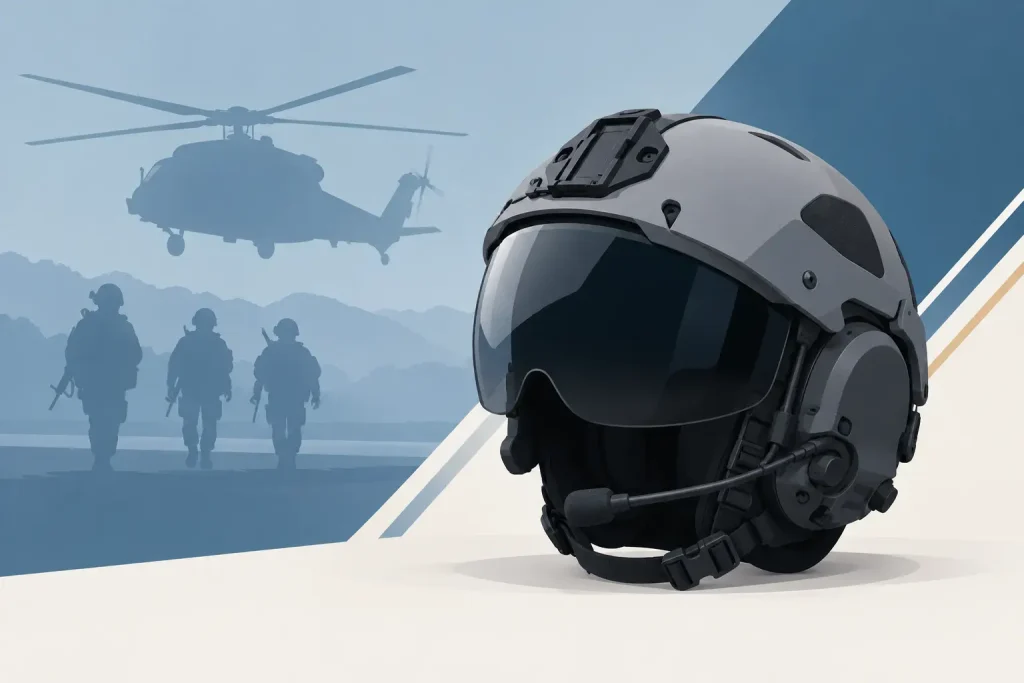
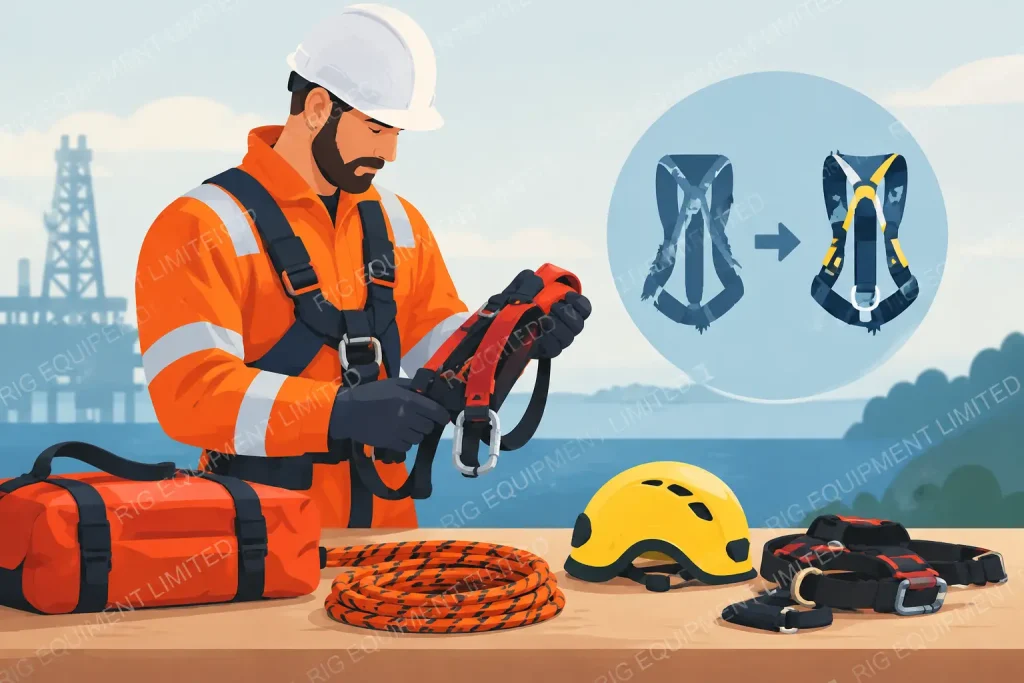
Specialist Uniform

Helmets

Jackets & Stormwear

Base Layers

General Apparel

Footwear

Accessories