A waterproof jacket can appear fully serviceable at the start of a shift, then fail where it matters most: beneath a rucksack harness, at the knee during a casualty intervention, or along the shoulders during prolonged exposure. Waterproof fabric performance is not a single number on a specification sheet. It is the combined result of fabric construction, seam sealing, garment design, fit, maintenance and the conditions in which the wearer operates.
For coast guard teams, SAR personnel, air ambulance crews, wildland firefighters and tactical operators, rain protection must do more than keep out a brief shower. It must support mobility, manage internal moisture and continue to protect the wearer through prolonged, physically demanding work. Selecting the right material starts with understanding what the ratings mean, and where their limits sit.
What waterproof fabric performance really measures
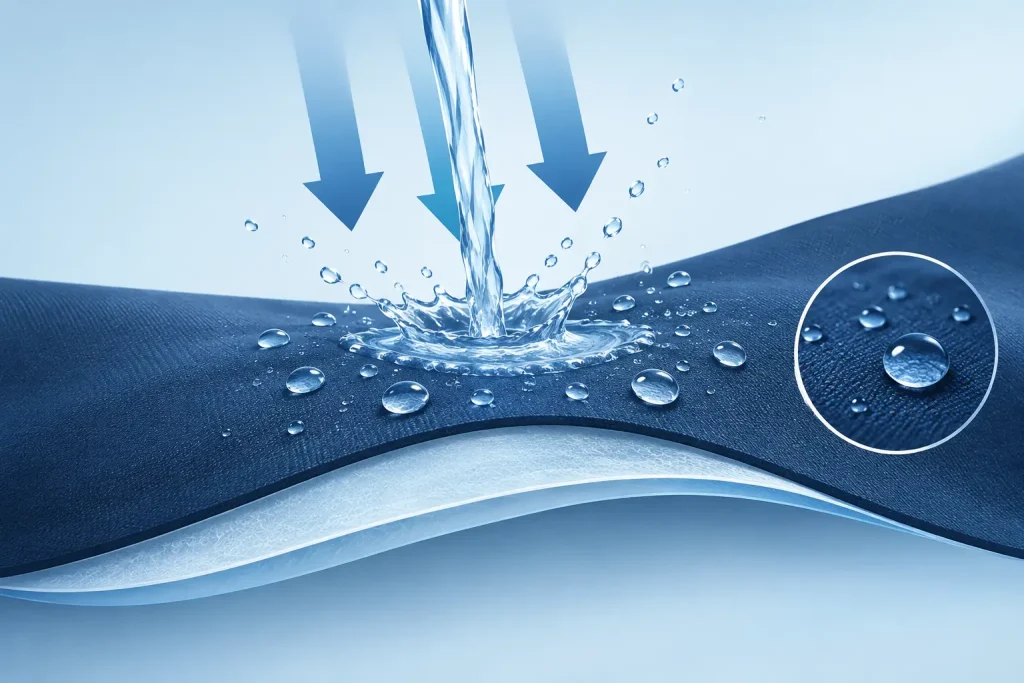
Waterproofness is commonly measured by hydrostatic head. This test records the pressure a fabric can withstand before water penetrates it, expressed in millimetres. A higher figure generally indicates greater resistance to water pressure, but it should never be treated as a complete prediction of field performance.
Rain does not apply pressure evenly. A kneeling responder, a crew member seated against a wet surface, or a rescuer carrying equipment can create concentrated pressure at specific points. Harnesses, flotation equipment, straps and loaded pockets can also force water against the outer fabric. In these conditions, a material that performs well in a laboratory test may be challenged by the garment’s construction, abrasion level and the way it is being used.
A waterproof fabric must also be incorporated into a waterproof garment. Unsealed stitch lines, poorly protected zips, weak pocket construction and incomplete storm flaps can compromise the finished item, regardless of the fabric rating. Procurement decisions should therefore consider the entire system rather than selecting on membrane figures alone.
Waterproof fabric performance and breathability
Keeping rain out is only half the job. Operational personnel generate heat and moisture quickly when moving equipment, climbing, treating casualties or working into the wind. If perspiration cannot escape, the wearer may become damp from the inside, lose comfort and cool rapidly during a pause in activity.
Breathability is often measured through moisture vapour transmission or resistance to evaporative heat loss. These tests are useful for comparison, but the figures are produced under controlled conditions. Real-world breathability depends on external humidity, temperature, wind, layers, exertion level and the amount of garment ventilation available.
When the outer environment is very humid or the wearer is working at a high output, no waterproof layer can move all moisture away as quickly as the body produces it. That is a physical limitation, not necessarily a product fault. The objective is to reduce moisture build-up while maintaining dependable weather protection.
This is why a well-specified operational shell needs more than a breathable membrane. Pit ventilation, a protective but adjustable collar, compatible cuffs and an effective layering system all influence comfort. Base layers should move moisture away from the skin, while insulating layers must not restrict movement or block the shell’s ability to vent. The right combination differs between a static maritime watch, a winter search and a high-tempo medical response.
Fabric construction changes field performance
Waterproof textiles generally use a coating or membrane bonded to a face fabric. The face fabric provides strength and abrasion resistance, while the waterproof layer prevents liquid water from passing through. An internal lining, print or protective backer may be added to improve comfort and protect the membrane from wear.
A lighter construction can reduce bulk and support packability, which may suit personnel carrying a shell as contingency equipment. However, frequent contact with rough ground, vehicle interiors, rock, equipment edges or harnesses calls for greater durability in high-wear areas. Reinforcement panels and carefully selected face fabrics can extend service life, but they can add weight and reduce the supple feel of the garment.
There is no universally correct balance. A flight crew may prioritise low bulk, compatibility with seating and rapid movement through confined spaces. A coastal rescue team working in sustained wind-driven rain may need a more substantial outer construction and stronger protection at shoulders, elbows and seat areas. The garment must be specified around the role, not simply around a headline waterproof rating.
Seams, zips and interfaces
Every needle hole created during manufacture is a potential entry point for water. Taped or welded seams are therefore essential in genuinely waterproof garments. Their quality matters as much as their presence: tapes must cover the seam reliably, bond correctly and remain secure after use, laundering and storage.
Zips require the same scrutiny. Water-resistant zips can reduce bulk, but exposed zips are rarely sufficient for prolonged rain unless the design includes suitable storm protection. Pocket openings, radio-routing points, hood adjustments and attachment interfaces should also be assessed. These areas are regularly overlooked in a basic product comparison, yet they are often the first places water enters during operational use.
The interface between jacket, gloves, trousers, helmet and flotation or load-bearing equipment deserves attention too. Water can travel through poorly managed gaps even when each individual item is technically waterproof. A field trial should include the equipment teams actually wear, not only an isolated jacket on a mannequin.
The role of the durable water repellent finish
Most waterproof outer fabrics use a durable water repellent finish, commonly called DWR. This treatment causes rain to bead and run off the face fabric rather than soaking into it. It does not create the waterproof barrier – the membrane or coating performs that role – but it has a major effect on comfort.
When the outer face fabric wets out, the garment may feel colder and heavier. Moisture vapour transfer can also reduce because the fabric’s outer surface is saturated. Wearers may assume that a jacket is leaking when the principal issue is loss of surface repellency and condensation inside the garment.
DWR performance declines through abrasion, dirt, salt, fuel residues, sunscreen, smoke, repeated handling and washing with unsuitable products. Routine cleaning is therefore part of protective performance, not a cosmetic exercise. Follow the manufacturer’s care instructions, avoid fabric softeners and check whether the finish can be reactivated or renewed. Teams operating in marine, aviation or wildfire environments should establish care routines that reflect their exposure rather than waiting until garments visibly fail.
Fit is a performance requirement
A waterproof shell that restricts reach, twists across the shoulders or rides up beneath a harness creates risk. It can expose the waist, pull cuffs away from gloves and discourage the wearer from adding the insulation needed for cold conditions. Fit affects protection as directly as fabric technology.
This is particularly relevant when issuing clothing across a mixed team. Pattern design should accommodate real differences in body shape and layering needs, including purpose-designed female fit options where required. Sizing should be assessed while wearing duty layers and essential equipment, with movement checks for reaching overhead, kneeling, entering vehicles and handling communications equipment.
A close fit is not always the best fit. Too little room reduces mobility and compresses insulation; too much creates snag risk, excess bulk and heat loss. Professional measurement support and practical wearer trials help organisations avoid treating sizing as an afterthought.
How to assess a waterproof garment before issue
Paper specifications are necessary, but they should be followed by role-specific evaluation. Test garments in representative weather where possible, or create realistic wear trials using the actual PPE, harnesses, bags and radios the team uses. Ask users to identify pressure points, reduced vision from the hood, water entry at cuffs or collar, overheating during exertion and difficulty accessing essential kit.
For organisational purchases, record the intended operating range: expected rainfall, wind exposure, temperature, work rate, duration, abrasion risk and compatibility requirements. This creates a defensible specification and helps distinguish between a light emergency overlayer and a primary storm garment for sustained exposure.
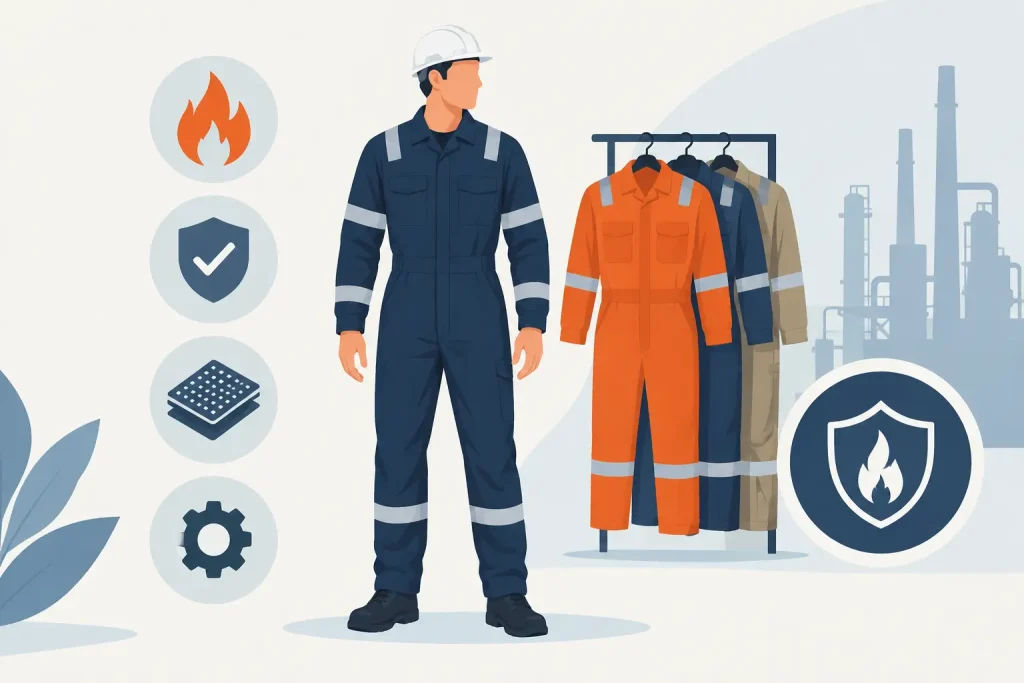
Rig Equipment approaches this work as an operational clothing requirement, considering certified materials, garment design, fit and the realities of hazardous service rather than treating waterproofness as an isolated feature.
Care, inspection and replacement planning
Waterproof clothing should be inspected before damage becomes obvious. Look for lifting seam tape, worn shoulder areas, damaged cuffs, tears around pocket corners, compromised zips and contamination that cleaning has not removed. Small defects can become serious failures in severe weather.
Repairs and alterations should preserve the garment’s protective construction. An improvised stitch repair through a waterproof panel may solve a tear temporarily while creating a new leak path. Where a repair is appropriate, it should be carried out with suitable materials and followed by a check of the affected seams and interfaces.
The most dependable waterproof layer is the one that matches the mission, fits the person wearing it and is maintained before the next callout. Treat it as part of the operational system, and it will be better placed to protect the team when weather stops being an inconvenience and becomes a hazard.